
A BOLD NEW ERA FOR LOS CABOS
March 5, 2026
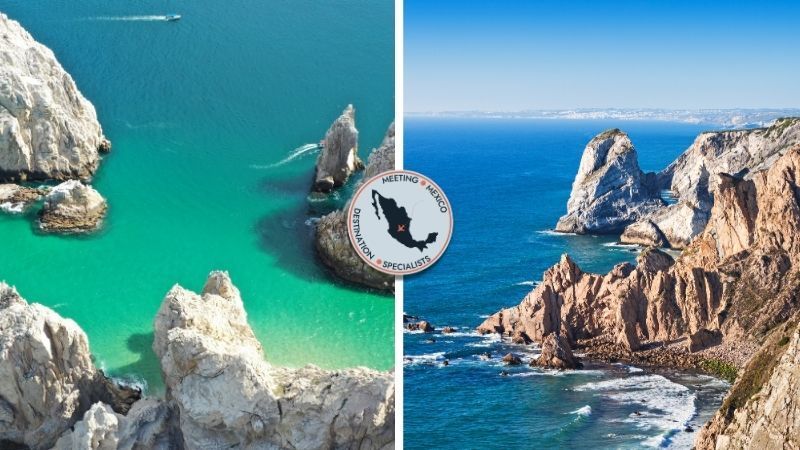
From ultra-luxury hideaways to vibrant lifestyle destinations, Los Cabos is entering an exciting new chapter in 2026. Long celebrated for its dramatic desert-meets-ocean landscapes and elevated hospitality scene, the destination continues to evolve with high-profile hotel openings and fresh experiences that reinforce its reputation as one of Mexico’s most sophisticated coastal escapes.
New boutique and luxury resorts are leading the momentum. In Cabo San Lucas, Kadun Hotel Boutique has just opened near the marina, blending contemporary design with Baja character. On the East Cape, Amanvari will debut with just 18 free standing casitas inside Costa Palmas, offering the intimate, ultra-personalized style the brand is known for. Later in the year, The St. Regis Los Cabos at Quivira and Grand Hyatt Los Cabos at Oleada will introduce beachfront luxury, panoramic ocean views and elevated resort amenities to the region.
Lifestyle-driven hospitality is also expanding. Soho House will open Soho House Los Cabos in Cabo del Sol, bringing its signature members’ club energy—complete with beach club, Cecconi’s restaurant and a holistic wellness space—to the Baja Peninsula. Meanwhile, the recently opened Ánima Village adds a dynamic retail, dining and cultural hub along the corridor between Cabo San Lucas and San José del Cabo, enhancing the destination’s off-resort appeal.
Golf and outdoor experiences remain central to Los Cabos’ identity. The new Oleada Golf Links Los Cabos, designed by Ernie Els, will stretch along a mile of Pacific coastline when it opens in late 2026, further elevating the region’s status as a premier golf destination. Together, these openings reflect a clear shift toward design-forward, experience-led travel, ensuring Los Cabos remains firmly on the radar for discerning travelers in the year ahead.
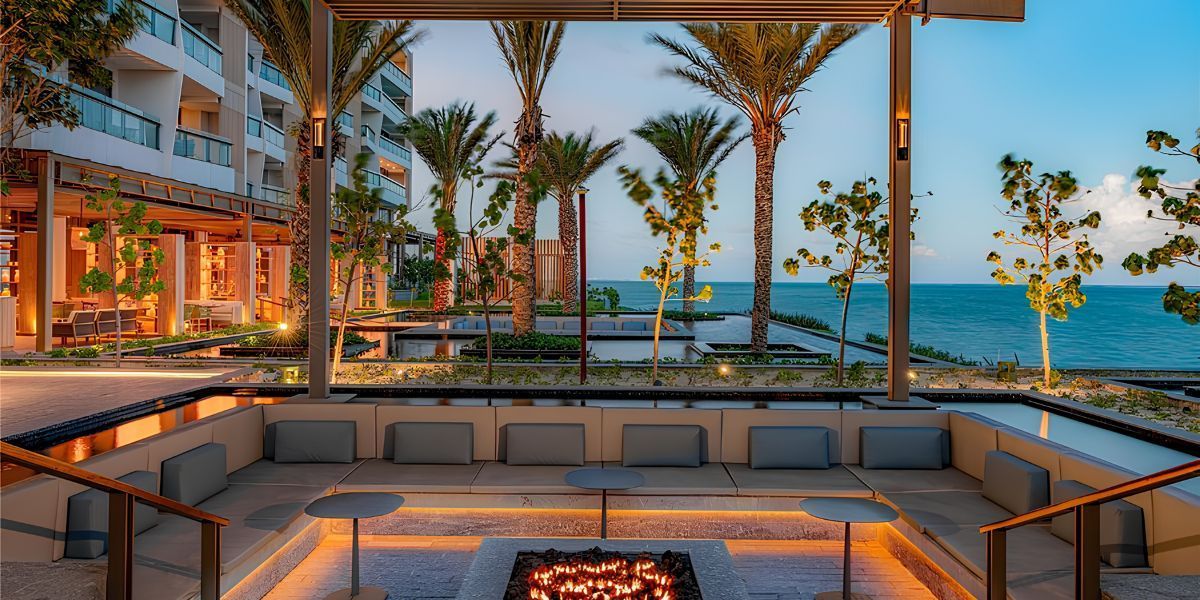
Two of Hilton’s luxury Riviera Maya resorts are adding new all-inclusive experiences, bringing greater flexibility and personalized stays to the Mexican Caribbean.
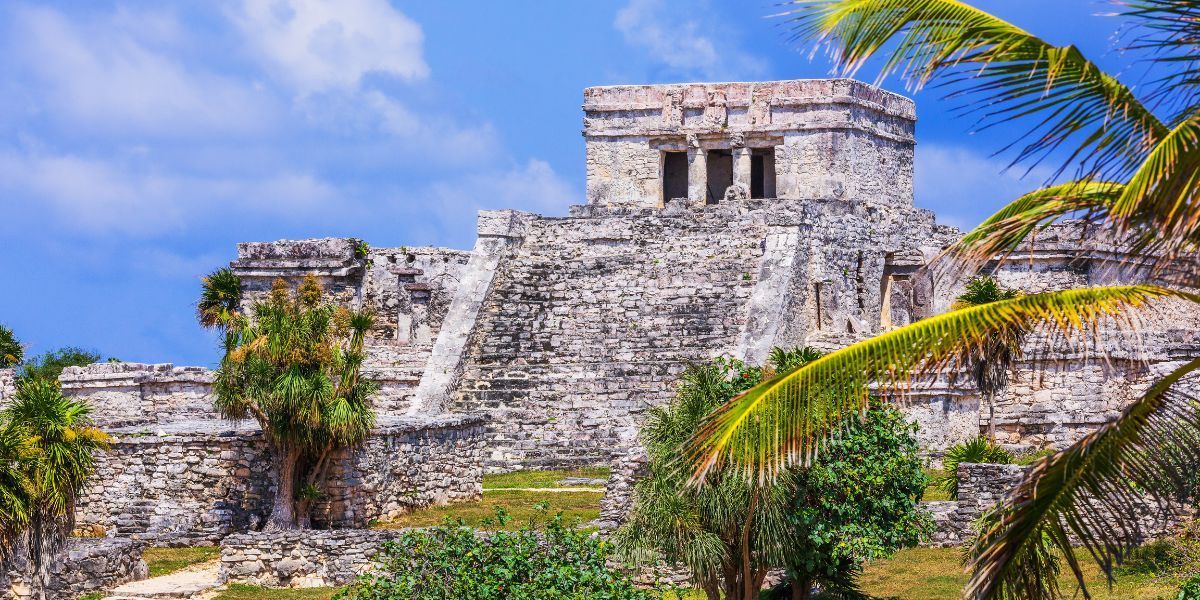
New seasonal flights from Canada and the United States will make it easier for international travelers to reach Tulum during the 2026–27 winter season.
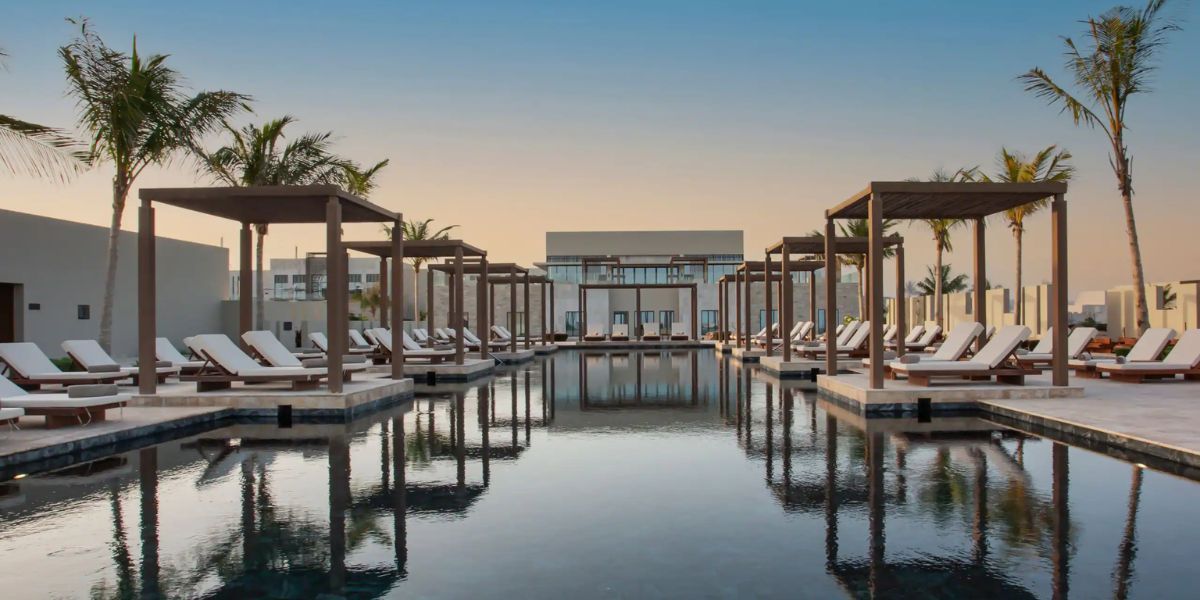
Hyatt is entering the final months of 2026 with a growing collection of luxury properties across some of Mexico’s most sought-after destinations. From the Pacific coast of Baja California Sur to the Caribbean shoreline of the Riviera Maya and the cultural heart of Mexico City, the company is expanding its portfolio with distinctive properties designed around their individual settings and guest experiences. The Park Hyatt brand is at the center of this growth. Following the opening of Park Hyatt Cabo del Sol in December 2025, Park Hyatt Riviera Maya is expected to open by the end of 2026 as the brand’s first all-inclusive property worldwide. Park Hyatt Mexico City Polanco, a 155-room hotel overlooking Chapultepec Park, is expected to welcome guests in spring 2027. Together, the three properties offer very different ways to experience Mexico, from coastal escapes to an urban cultural stay. Hyatt’s expansion also includes Alila Mayakoba, which opened earlier this year within the Mayakoba complex. Set across 60 acres of beach, lagoon, and jungle, the resort combines wellness, locally inspired design, and a strong connection to the Yucatán Peninsula. Meanwhile, three new Grand Hyatt resorts—Grand Hyatt Grand Cayman, Grand Hyatt Cancun, and Grand Hyatt Los Cabos—are scheduled to open in the fourth quarter of 2026, with Cancún and Los Cabos introducing all-inclusive experiences to the Grand Hyatt portfolio. For planners, this growing portfolio creates even more possibilities for designing programs around different sides of Mexico. Whether a group is looking for a sophisticated urban experience, a secluded Caribbean setting, or the landscapes and culture of Baja, Destination Mexico can help bring these new properties together with the authentic experiences, local connections, and seamless logistics that make a program truly memorable
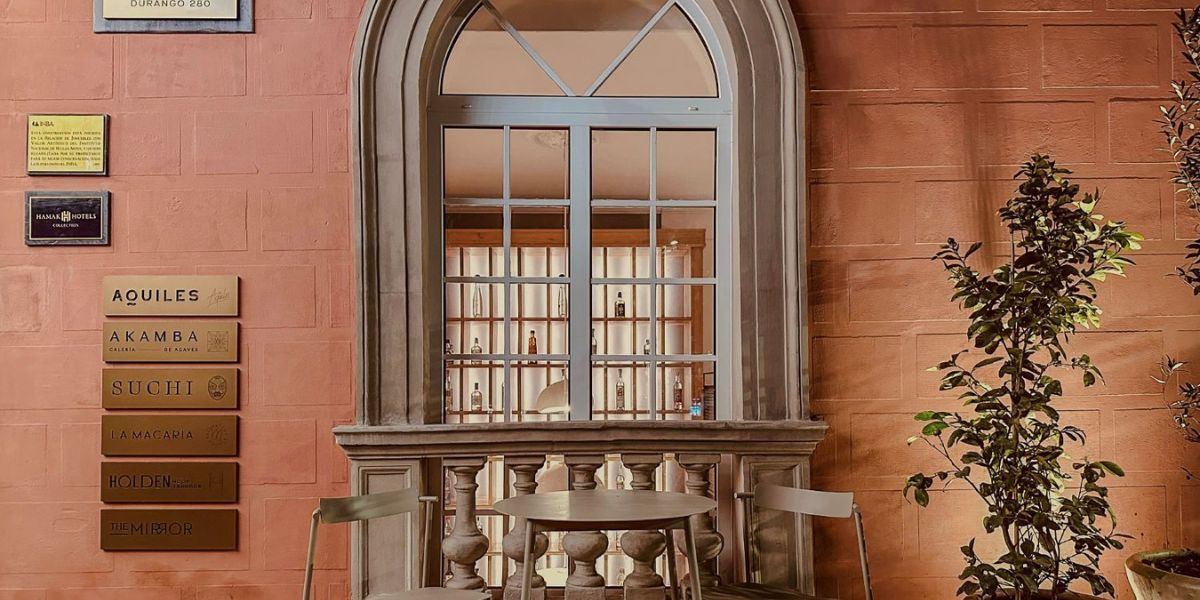
This beautifully restored 1920s mansion brings intimate luxury, local character, and a taste of contemporary Roma Norte to Mexico City. DMC Destination Mexico
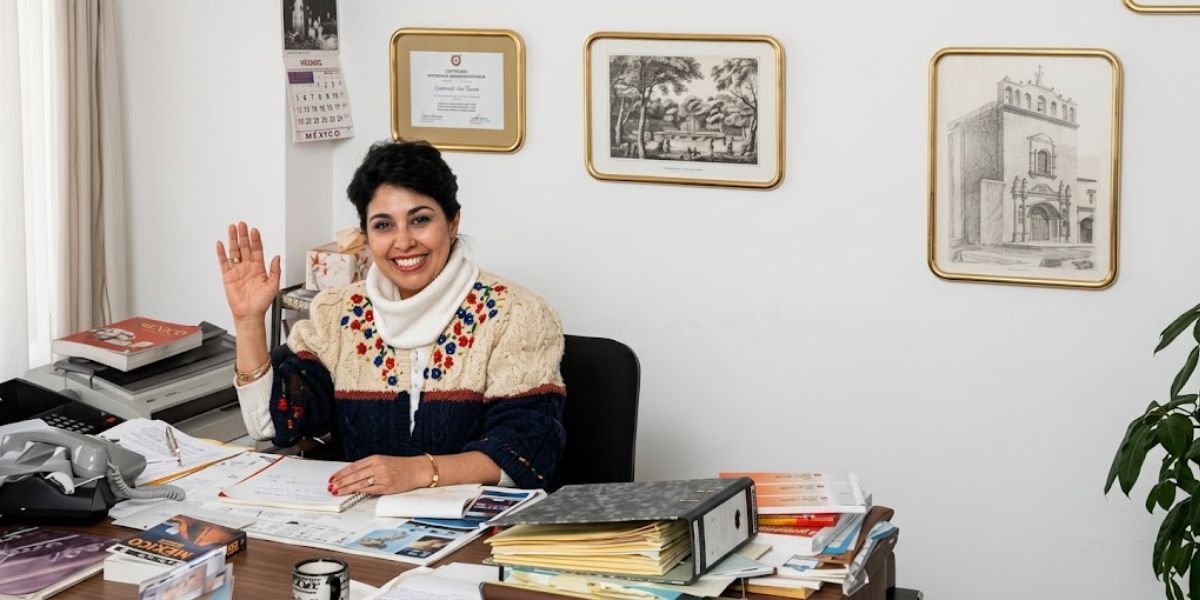
After 38 years of dedication, passion, and tireless work, Lourdes Crossley, our Managing Director and co-founder of Destination Mexico, retired at the end of July, bringing to a close an extraordinary chapter in the history of our company.
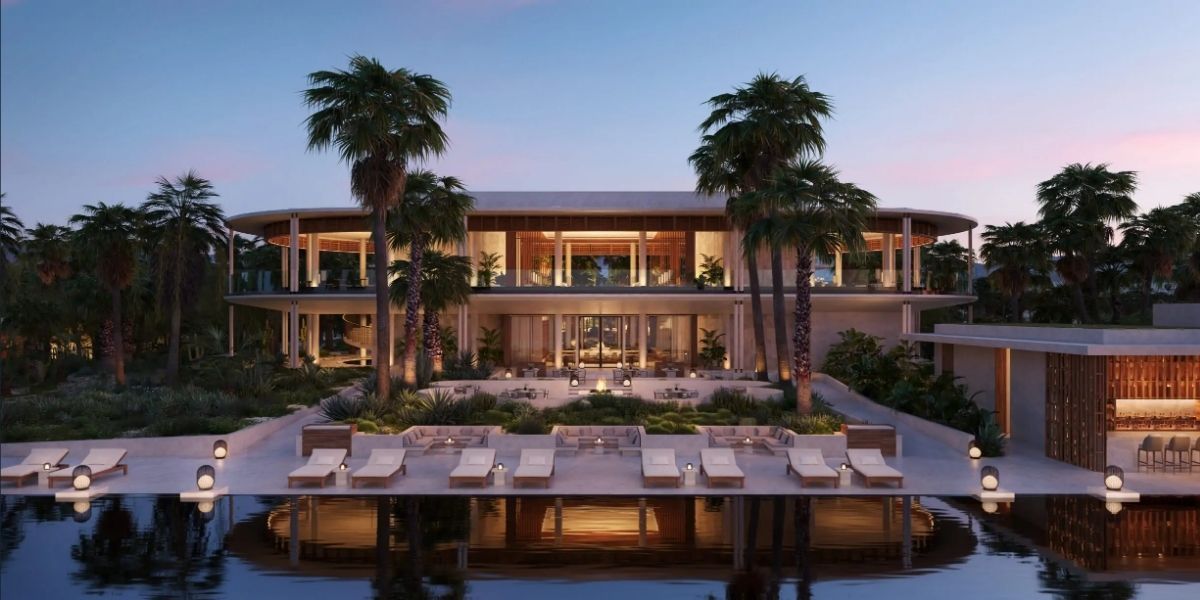
The opening of Amanvari marks a new chapter for Los Cabos, showcasing the growing appeal of Baja's East Cape as one of Mexico's most exclusive luxury destinations.
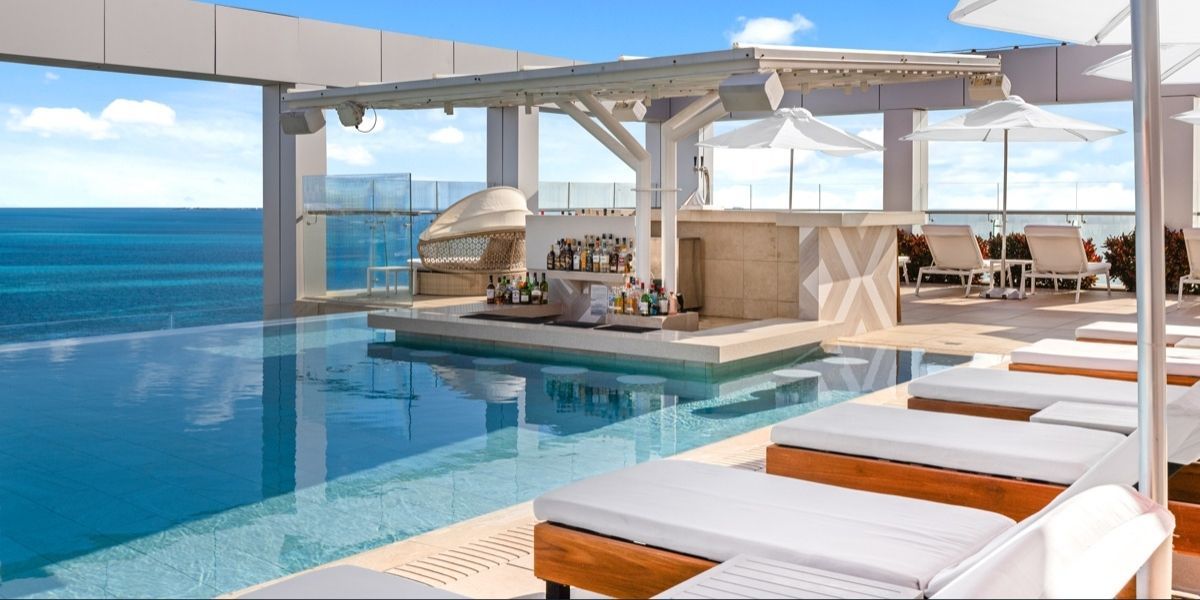
Hilton and Fuerte Group Hotels are introducing the Amàre brand to Mexico, bringing a new Mediterranean-inspired luxury experience to Cancún in 2026.
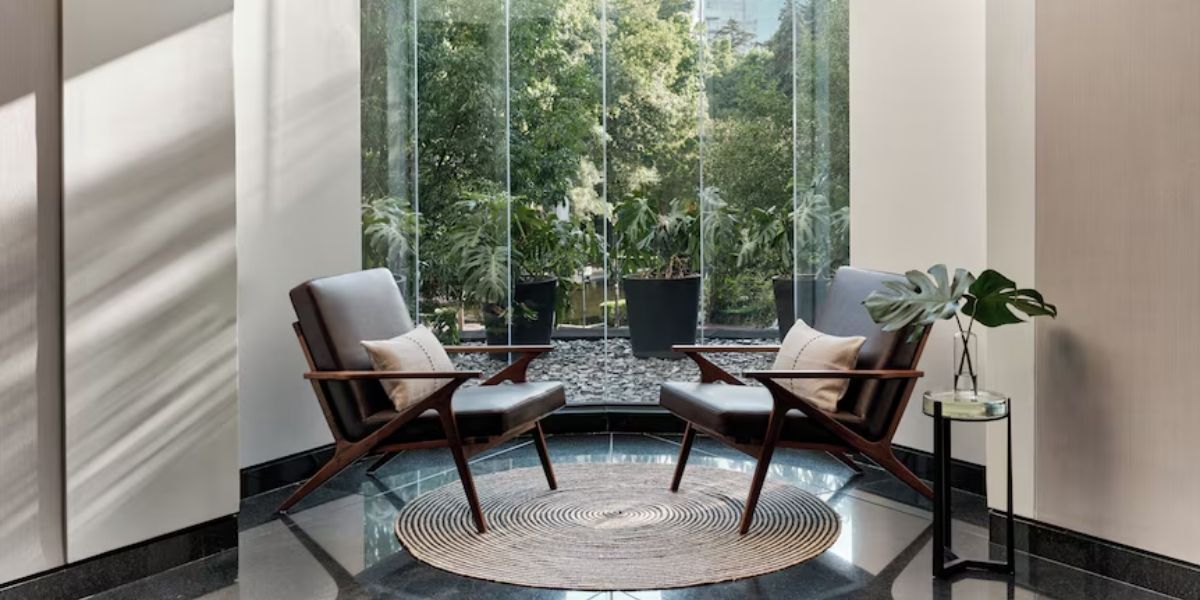
Kimpton El Castelar Polanco blends historic architecture with contemporary luxury, adding a distinctive new stay to one of Mexico City's most vibrant neighborhoods.

Mexico strengthens its position as one of the Americas' leading destinations for international meetings and conventions, reflecting the country's growing...